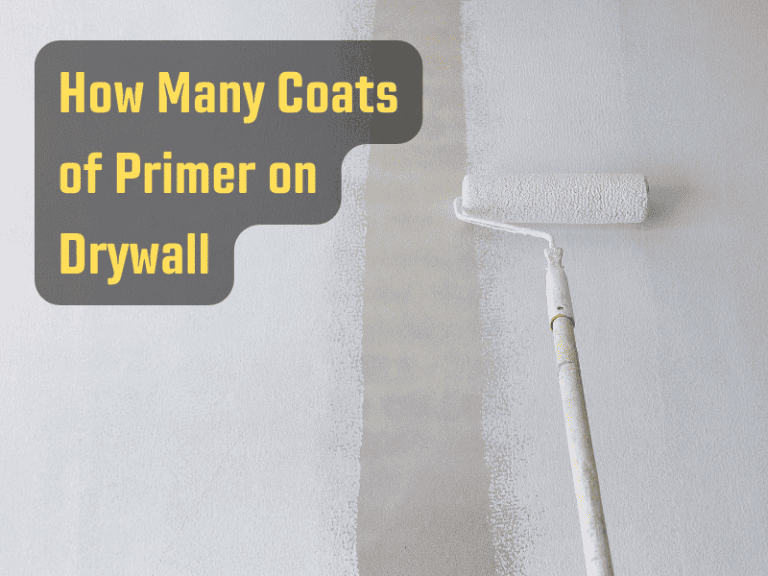
How Many Coats Of Paint Are Needed After Primer. It is a good idea to not use any more than three coats of primer when painting to avoid a thick undercoat that doesn't dry properly, leading to cracking or chipping. How many coats of primer you. One coat of primer is usually enough if you are painting over walls with a similar color and the wall is smooth, undamaged, and in great shape. After applying one coat of primer, you will need two to three coats of paint to fully cover the underlying dark color. Generally speaking, you should leave around two to three hours between coats of primer, but always check the primer can's instructions to be sure. Primer evens out the different surfaces. Uncover the secrets to priming. Covering up dark colors with light colors generally requires more. It depends on the surface, the primer, the paint, any existing finish, technique, thickness of the coat of paint, etc. Examine the wall after applying the second coat and determine if you need a third coat if you see dark, patchy spots. We have a post all about this:
from sprayerguide.com
How many coats of primer you. Generally speaking, you should leave around two to three hours between coats of primer, but always check the primer can's instructions to be sure. It is a good idea to not use any more than three coats of primer when painting to avoid a thick undercoat that doesn't dry properly, leading to cracking or chipping. One coat of primer is usually enough if you are painting over walls with a similar color and the wall is smooth, undamaged, and in great shape. Uncover the secrets to priming. Covering up dark colors with light colors generally requires more. We have a post all about this: After applying one coat of primer, you will need two to three coats of paint to fully cover the underlying dark color. Examine the wall after applying the second coat and determine if you need a third coat if you see dark, patchy spots. Primer evens out the different surfaces.
An Essential Guide How Many Coats of Primer on Drywall? Sprayer Guide
How Many Coats Of Paint Are Needed After Primer Primer evens out the different surfaces. Covering up dark colors with light colors generally requires more. Examine the wall after applying the second coat and determine if you need a third coat if you see dark, patchy spots. One coat of primer is usually enough if you are painting over walls with a similar color and the wall is smooth, undamaged, and in great shape. After applying one coat of primer, you will need two to three coats of paint to fully cover the underlying dark color. Generally speaking, you should leave around two to three hours between coats of primer, but always check the primer can's instructions to be sure. Uncover the secrets to priming. It is a good idea to not use any more than three coats of primer when painting to avoid a thick undercoat that doesn't dry properly, leading to cracking or chipping. We have a post all about this: How many coats of primer you. It depends on the surface, the primer, the paint, any existing finish, technique, thickness of the coat of paint, etc. Primer evens out the different surfaces.